
Most oily-skin routines default to the lightest gel-cream available. The logic feels sound on paper: less oil means less shine, so strip everything back. We argue the opposite. The three moisturizers below restore the lipids that light gels routinely remove, and the result is steadier oil production rather than the rebound cycle those gels create.
The default assumption is that oily skin needs less moisture. The data on barrier lipids says the reverse is true for most people who reach for those ultra-light textures.
What the light-gel default actually buys
Oily skin often signals a compromised barrier. When ceramides and fatty acids drop below the level the stratum corneum needs, the skin compensates by producing more sebum. Light gel-creams with high silica or alcohol content can feel refreshing in the moment, yet they frequently leave the lipid matrix thinner than they found it. The three picks below contain measured ceramide complexes that directly address that depletion instead of masking it with powder finishes.
The COSRX ceramide cream that delivers 200-hour hydration without weight
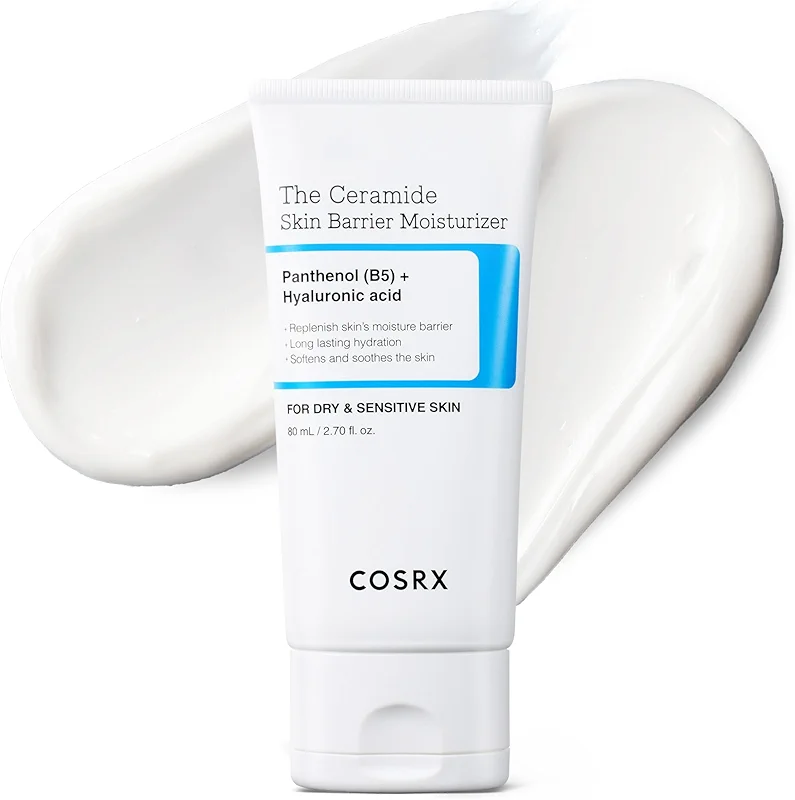
COSRX formulated this one around a 1.5 percent ceramide, 0.5 percent cholesterol, and 1.5 percent fatty acid complex. That ratio mirrors the lipids the skin barrier actually uses. One application supplies measurable hydration that persists for days because the formula replenishes what daily cleansing and environmental stress remove. The texture stays light enough for morning use under makeup, yet it never collapses into the dry-tight feeling that forces a second application or an extra layer of powder later.
Skip this if your skin is truly acne-prone and you have confirmed sensitivity to cholesterol esters. Most users with combination skin report the opposite: fewer midday shine cycles once the barrier stops overcompensating.
The ANUA 3-ceramide cream that keeps skin calm for 48 hours
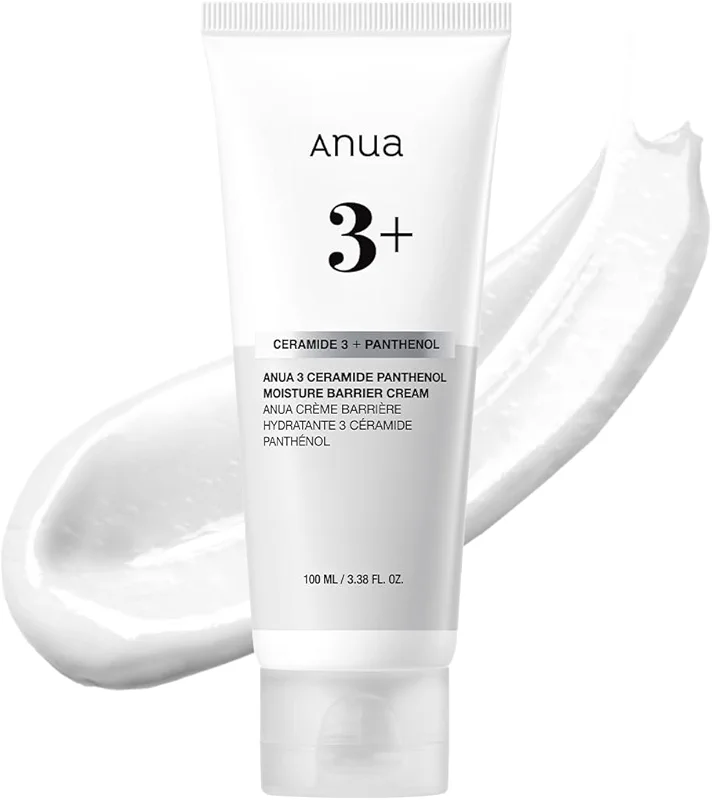
ANUA built this around three ceramides plus panthenol and centella. Clinical notes show moisture retention holding for 48 hours after two weeks of use. The non-comedogenic claim is backed by the formula's refusal to add heavy occlusives that would otherwise trap debris in pores. Redness calms because panthenol supports barrier recovery while the ceramides prevent the micro-inflammation that drives excess oil.
Use it when your skin feels tight by 3 p.m. despite an otherwise matte morning routine. The 48-hour data suggests it breaks the reapplication loop that light gels often demand.
The CeraVe gel-cream that absorbs oil while restoring the three essential ceramides

CeraVe's version adds silica powders for immediate oil absorption and pairs them with niacinamide plus the brand's standard three-ceramide blend. The MVE technology releases hydration steadily rather than in a single front-loaded burst. The result is a matte finish that still leaves the barrier measurably stronger after repeated use.
This is the closest to the "light gel" expectation while still delivering the lipids the other two emphasize. Choose it when shine control is non-negotiable for work or photos, then layer the COSRX or ANUA at night for deeper repair.
The pattern across all three
Each formula starts with the same premise: oily skin is frequently barrier-compromised skin. The light-gel default treats the symptom. These three treat the cause by returning the exact lipid classes the skin uses to regulate sebum. The difference shows up not in the first hour but in the second and third day of consistent use, when the rebound oil cycle begins to flatten.
If you only keep one
Start with the COSRX. Its ceramide-to-cholesterol ratio is the most direct match to published barrier studies, and the hydration duration data makes it the clearest single swap from whatever light gel you currently reach for. The other two become useful once you know whether your skin needs extra soothing or extra oil blotting during the day. All three cost less than the prestige alternatives that promise the same repair without listing the percentages that actually deliver it.